


Safe, Clean and Green
The services provided by Chikara Tree are crucial to maintaining public safety.
Safe, Clean and Green
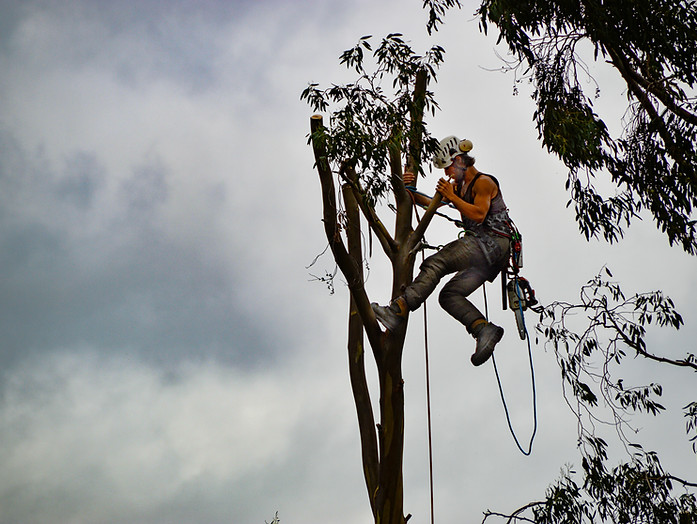
Safe
The Chikara Tree is integral to public safety, providing essential services such as bushfire prevention and ensuring power supply integrity for our energy sector clients. We also assess, maintain, prune, and safely remove hazardous trees for local governments, institutions, schools, and various organizations. As a leader in the tree industry, we bring years of experience and training, seamlessly integrating safety protocols into our daily operations Our dedication to safety guarantees that our services are dependable, secure, and free from risk.
Clean
Public or private trees clean" refers to the various ways public trees are maintained and the benefits they provide, such as pruning for safety and health, and the environmental service of cleaning the air and water. Chikara Tree manage public and private trees through pruning, and removal of dead or diseased trees to ensure public safety and health, while residents can help by reporting issues on their property. Trees also "clean" the environment by filtering pollutants, reducing stormwater runoff, and combating the urban heat island effect.
Tree maintenance and public safety
-
Pruning:
Public trees are pruned to remove dead, diseased, or weak branches, ensure clearance over roads and sidewalks, and improve streetlight visibility.
-
Removal:
Dead or dangerous trees are removed as a last resort. When a tree is removed, a replacement is often planted to continue the benefits of the urban forest.
-
Reporting:
Residents can report concerns about public trees to their local municipality, which helps arborists address potential problems.
Environmental benefits
-
Air purification:
-
Climate regulation:
-
Water management:
-
Habitat and biodiversity:
Green
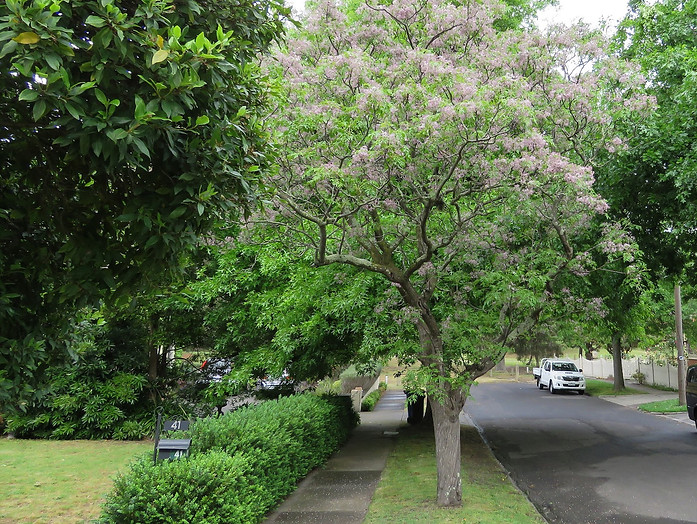
A public green environment is a publicly accessible, vegetated space designed to offer ecological, social, and health benefits to the community. While most common in urban settings to provide a retreat from the "concrete jungle," these spaces can also include large-scale natural areas.
Common types of public green environments
These spaces come in many forms, varying in size, scale, and function:
-
Urban parks:
-
Community gardens:
-
Greenways:
-
Green roofs and walls:
-
Natural areas:
-
Street-level greenery:
Benefits of public green environments
Green environments serve a crucial role in promoting human and ecological health.
Environmental benefits:
-
Mitigate climate change: Trees and other plants sequester carbon dioxide and produce oxygen.
-
Reduce urban heat islands: Greenery provides shade and cools the air through evapotranspiration, lowering the temperature in dense urban areas.
-
Improve air quality: Vegetation helps to filter pollutants and particulate matter from the air.
-
Manage stormwater: Natural areas absorb rainwater runoff, which helps prevent flooding and reduces the strain on city sewer systems.
-
Enhance biodiversity: Green spaces provide vital habitats for a variety of plants and wildlife.
Health and social benefits:
-
Boost mental health: Access to green spaces is linked to reduced stress, anxiety, and depression. Spending just 20 minutes a day in nature can have significant health benefits.
-
Promote physical activity: Parks and trails offer safe, accessible areas for exercise like walking, running, and playing sports, which helps combat chronic diseases like obesity.
-
Foster community cohesion: Green spaces serve as social hubs where people can gather, interact, and build stronger community ties.
-
Improve health equity: Studies show that increasing green space access in underserved communities, which often have fewer parks, can help reduce health disparities.
Economic benefits:
-
Increase property values: Proximity to well-maintained parks and green spaces has been shown to increase the value of nearby properties.
-
Spur economic development: Parks can attract tourists and businesses, stimulating local economies.
-
Lower public costs: By absorbing stormwater and reducing the need for air conditioning, green spaces lower infrastructure and energy costs for cities.

Safe, Clean and Green
Chikara Tree Services
We possess a national network of highly qualified in-house and external experts in arboriculture, ecology, and environmental science, enabling us to provide a cohesive and comprehensive range of consulting and reporting services. Our team delivers respected, operationally and commercially informed solutions to address challenges in sustainability, urban greening, bushfire mitigation, tree management, habitat conservation, erosion control, and water and air quality.